Advancing Research Mentoring Practice (ARMP)
Cultivate an effective and inclusive mentoring practice
Because effective mentoring skills are essential for creating welcoming and productive STEM research environments, ARMP provides sessions designed to support UW–Madison faculty and staff in their roles as research mentors.
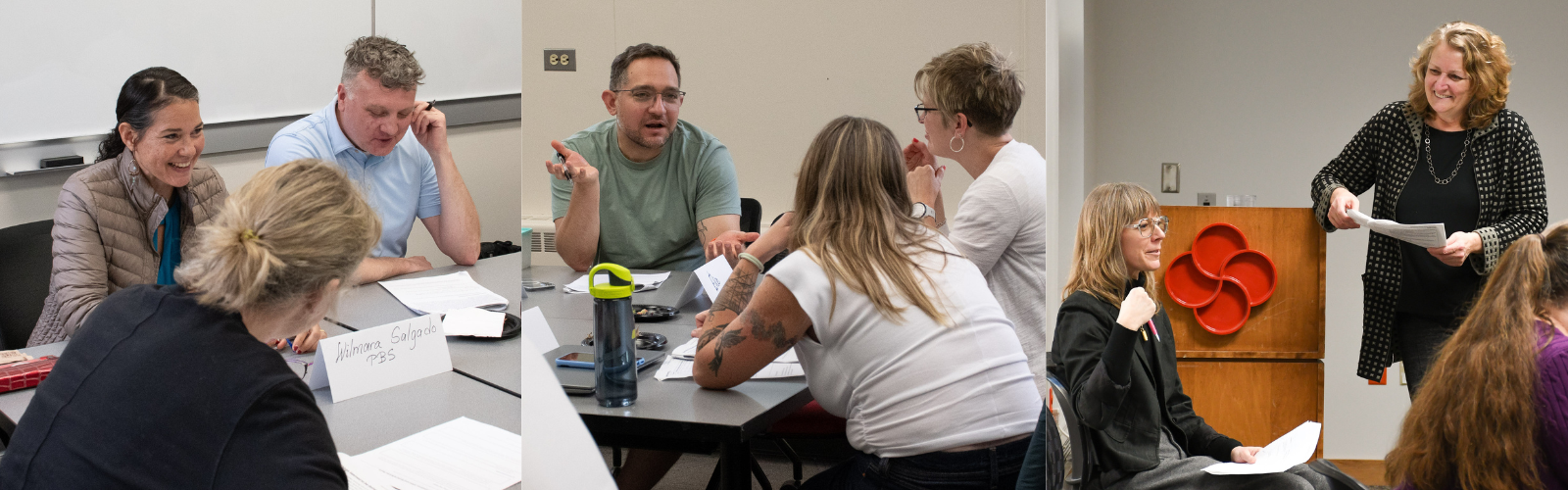
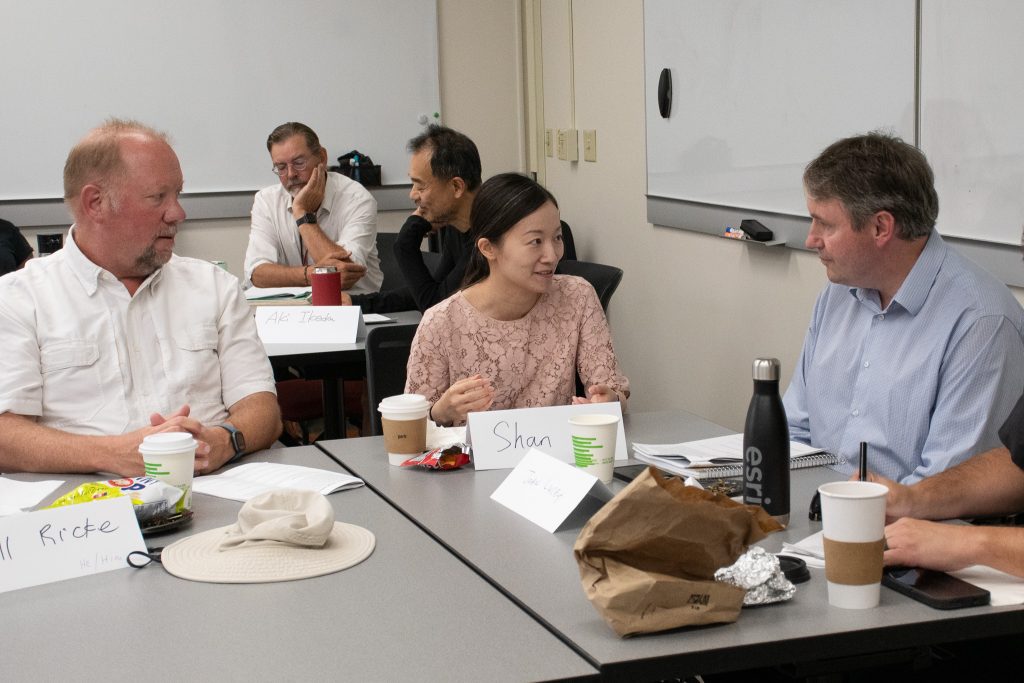
In ARMP, we share experiences and explore ways to align and communicate expectations, foster trainee independence and research self-efficacy, establish a practice of inclusion, and support mentee well-being. To do this we review sample mentor-mentee agreements, discuss ways to implement them, examine case studies that illustrate common challenges, and reflect on ways to improve your approaches to mentoring.
Join an upcoming session to support your role as a research mentor and develop a more effective and inclusive mentoring practice.
Interested in a mentoring consultation?
You can consult with us on a range of mentoring topics—from questions and challenges to new ideas. We look forward to hearing from you!
About ARMP
Whether you have been mentoring for thirty years or thirty days, everyone has something to gain from these discussions.
What Is ARMP?
Advancing Research Mentoring Practice is a facilitated discussion with colleagues using an evidence-based curriculum aimed at improving on approaches to research mentoring.
Who Is ARMP For?
WISCIENCE offers ARMP to any UW–Madison STEM faculty or staff member who mentors undergraduates, graduate students, postdoctoral trainees, and/or staff in a research setting. It is equally valuable for experienced mentors and those new to mentoring.
What’s the Time Commitment?
ARMP is an eight-hour series. Commitment to attend all meetings is required as we work to build trust within our community of practitioners who learn from and share with one another.
Most sessions are four two-hour meetings held once a week for four consecutive weeks. On occasion, other variations are offered, such as two four-hour sessions (two days) or one full day.
What’s Expected of Me?
Because we aim to create a learning community of practitioners over the course of our conversations, building trust and honesty requires commitment to the group. As such, attendance and active participation is required for all sessions in order to maximize learning and thoughtful input.
There are some light readings and assignments but they are not time-intensive.
Benefits
Strong mentorship has been linked to enhanced trainee productivity, sense of belonging, self-efficacy, likelihood to persist, career satisfaction, and is an important predictor of the academic success of scientists in training.
Entering Mentoring curricula series addresses guidelines identified by the National Science Foundation and National Institutes of Health in preparing mentees who are funded on training grants. It also follows the recommendation of the National Academies’ consensus report, The Science of Effective Mentorship in STEMM, to use evidence-based mentor training.
These sessions create a community of practicing mentors in STEM at UW–Madison who are continually working to develop effective and inclusive mentoring skills.
Curriculum
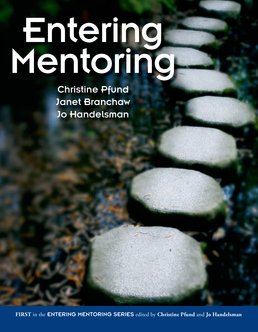
Our evidence-based curriculum, called Entering Mentoring, is for mentors of research trainees. It was developed for mentors across science, technology, engineering, mathematics, and medicine (STEM) disciplines at different career stages, working with undergraduate and graduate students, postdoctoral fellows, and junior faculty and staff.
The Entering Mentoring curricula series addresses the new NIGMS guidelines regarding the preparation of mentors involved in training grants and follows the National Academies’ consensus report, The Science of Effective Mentorship in STEMM, recommendation to use an evidence-based training.
Themes and Concepts
Our mentor training curricula include the themes listed below. All of these themes are designed with the acknowledgment that mentorship occurs within a cultural context and is influenced by the cultural diversity and social identities of the individuals engaged in mentorship activities. Consistent with national data and evidence, this curriculum is designed and delivered with cultural diversity content throughout.
- Aligning Expectations
- Addressing Equity and Inclusion
- Articulating Your Mentoring Philosophy and Plan
- Assessing Understanding
- Cultivating Ethical Behavior
- Enhancing Work-Life Integration
- Fostering Independence
- Maintaining Effective Communication
- Promoting Mentee Research Self-Efficacy
- Promoting Professional Development
- Fostering Wellbeing
More Mentoring Resources
Upcoming Sessions
-
Four-Day ARMP: Jan 21–Feb 11, 2027
Discovery Building, Room 3280 (330 N. Orchard St) Register Here
Session Dates: Thursdays, Jan. 21, Jan. 28, Feb. 4, Feb. 11. Attendance at all four session dates is required. Open to all faculty and staff.
-
Four-Day ARMP: Feb 23–Mar 16, 2027
445 Henry Mall, Room 117 Register Here
Session dates: Tuesdays, Feb. 23, Mar. 2, Mar. 9, Mar. 16. Attendance at all four session dates is required. Open to all faculty and staff.
-
Four-Day ARMP: April 1–22, 2027
445 Henry Mall, Room 117 Register Here
Session Dates: Thursdays, April 1, 8, 15, and 22. Attendance at all four session dates is required. Open to all faculty and staff.
Testimonials
The seminar provided tangible strategies that I can immediately implement to improve my mentorship practices and effectiveness.
I learned so much in such a short period of time. These sessions dedicated time and practice in mentoring, not something that is normally stressed in our development as STEM researchers.
As a new faculty member, I really enjoyed hearing the views and experiences of more established faculty. There were both perspectives I agreed and disagreed with, but overall, I feel like I’m better informed as I start mentoring grad students and postdocs in my new lab.
Regardless of how much mentoring experience one has, this is an extremely beneficial course and should be strongly considered by all.
I loved that our sessions were discussion-based and small-group oriented. I found it a great setting to think deeply, reflect, and consider other perspectives.
The facilitators established an environment that made communication helpful and rewarding. It was wonderful to have a workshop type structure as opposed to lectures. I found the input from colleagues very useful.
About the Facilitators
Get to know some of the faculty who have gone through ARMP training as well as Entering Mentoring Facilitator Training and now facilitate Advancing Research Mentoring Practice.
-
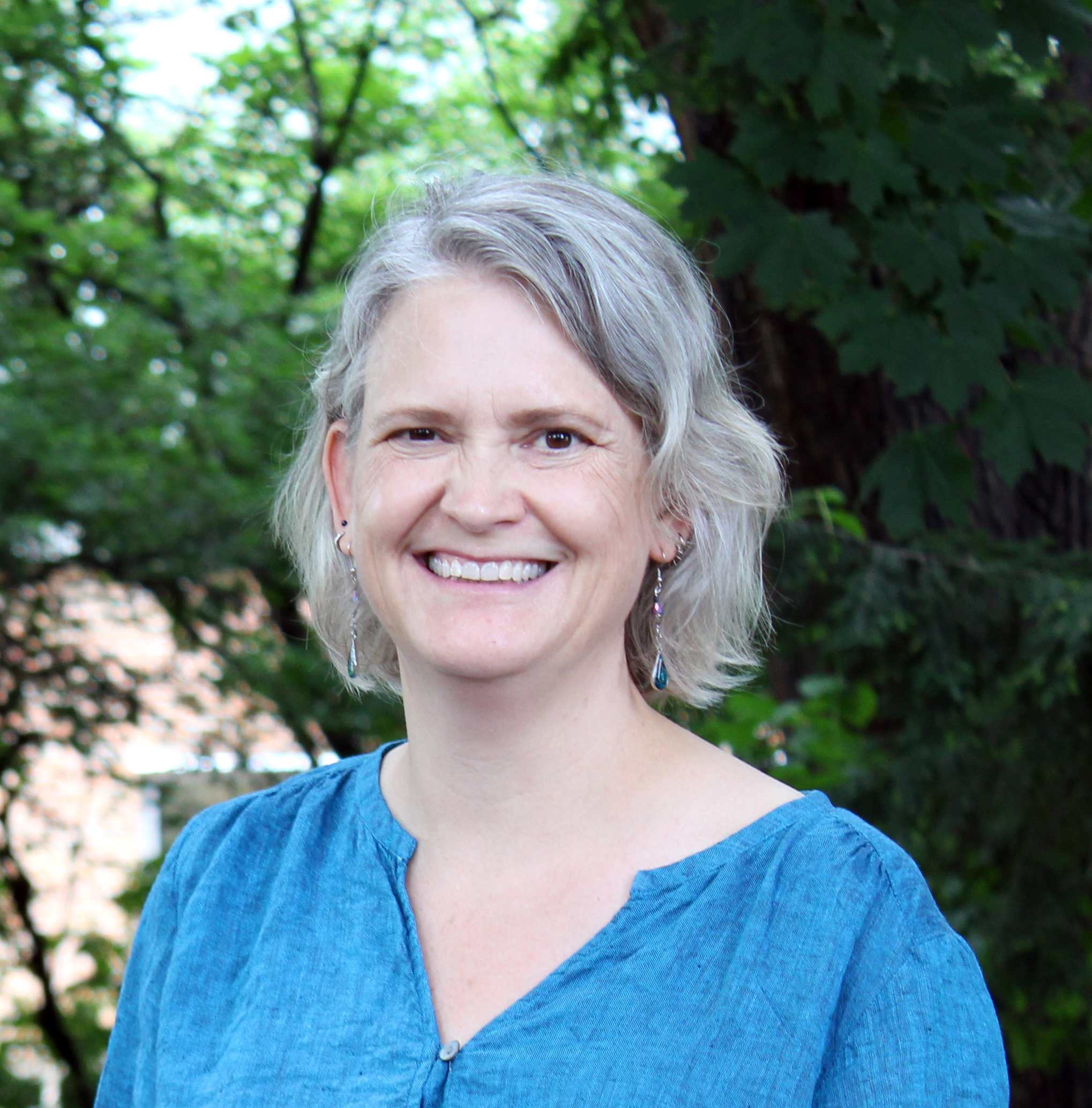
Meet Trina McMahon, ARMP Facilitator
“What I enjoy most about facilitating ARMP is working with colleagues to have the “ah-ha” moments about best practices for mentoring. The “colleague consulting” is my favorite part.”
-
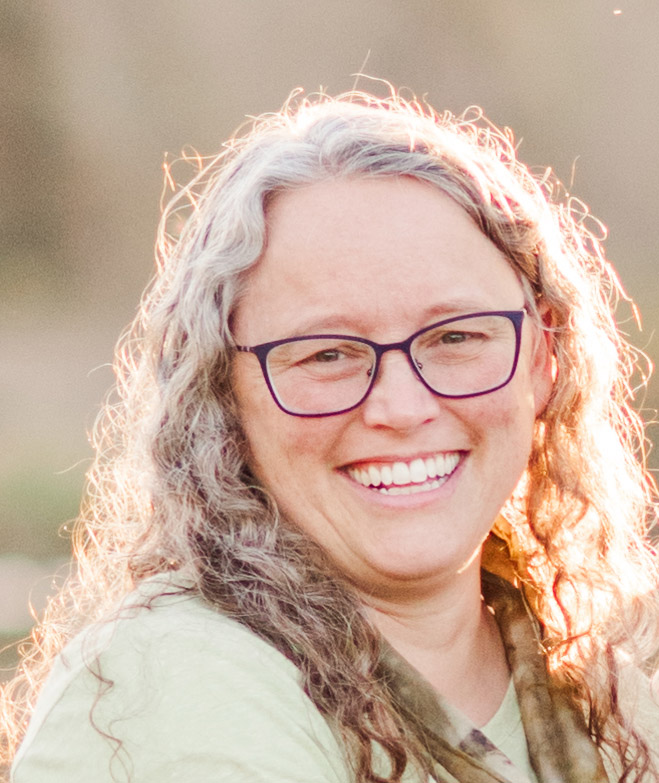
Meet Cara Jenkins, ARMP Facilitator
“I am constantly thinking about good communication with students and faculty, and I am always looking for ways to help members of our program connect with one another to form a strong and supportive community.”
-
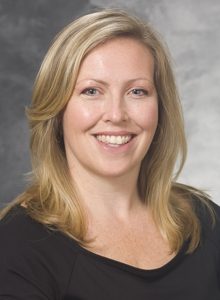
Meet Darcie Moore, ARMP Facilitator
“Every time I facilitate ARMP, I get to review and remind myself of different aspects of mentoring to consider. I feel like I take something back to my lab with me from discussions with each cohort.”
Frequently asked questions
If you are a faculty or staff member in STEM who serves as a research mentor at UW–Madison, registration for this professional development opportunity is open and at no cost to you.
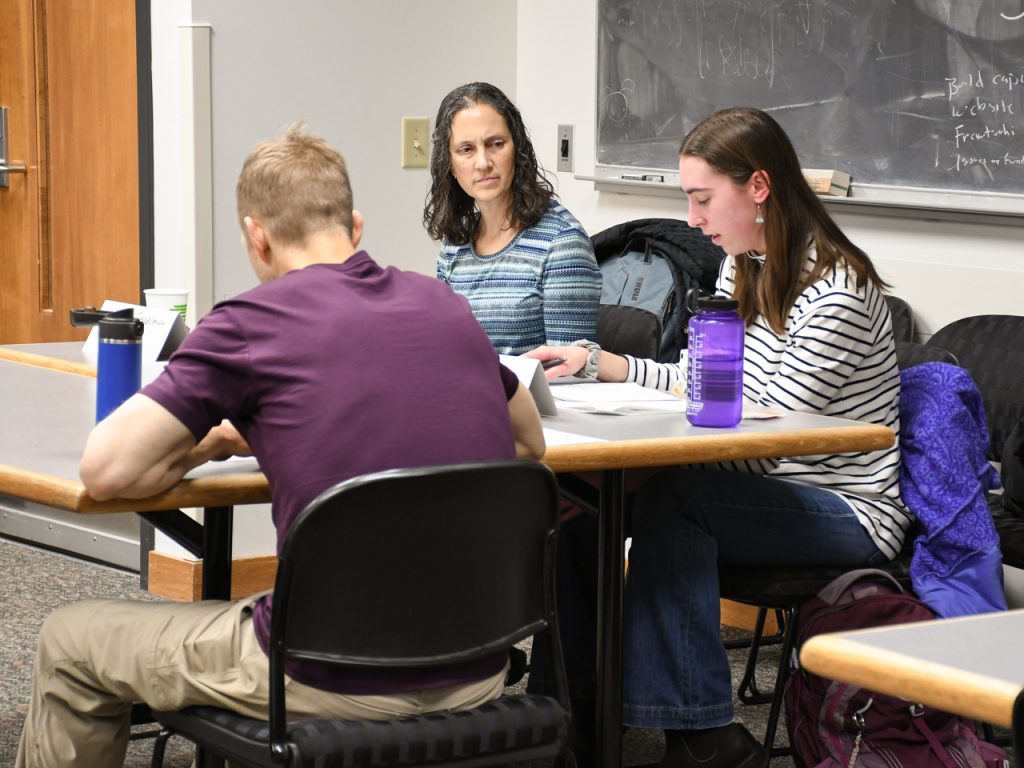
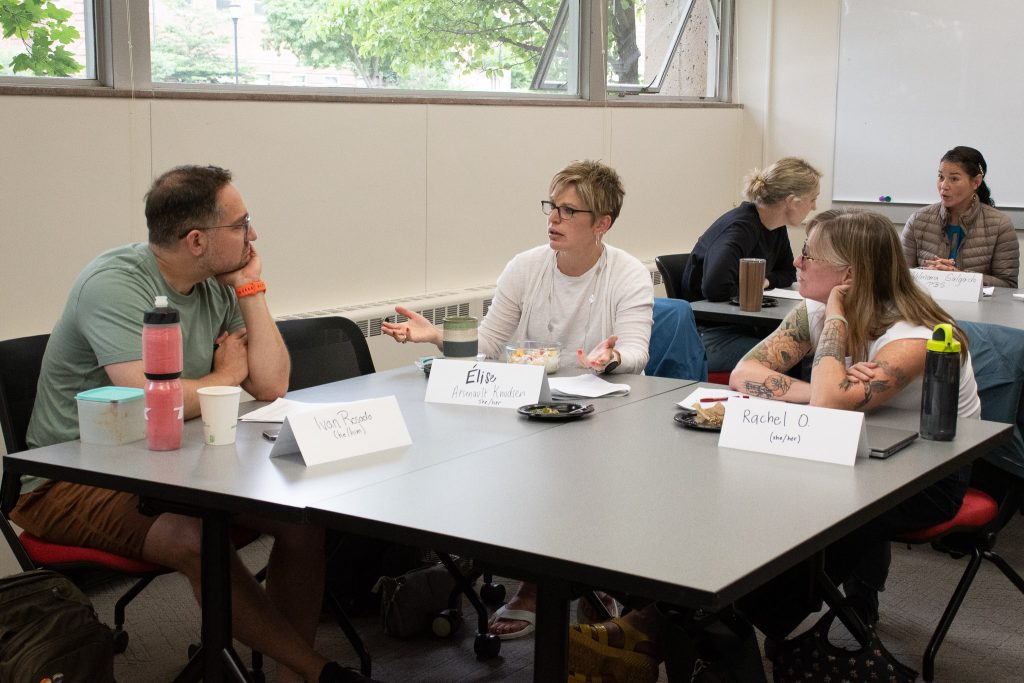
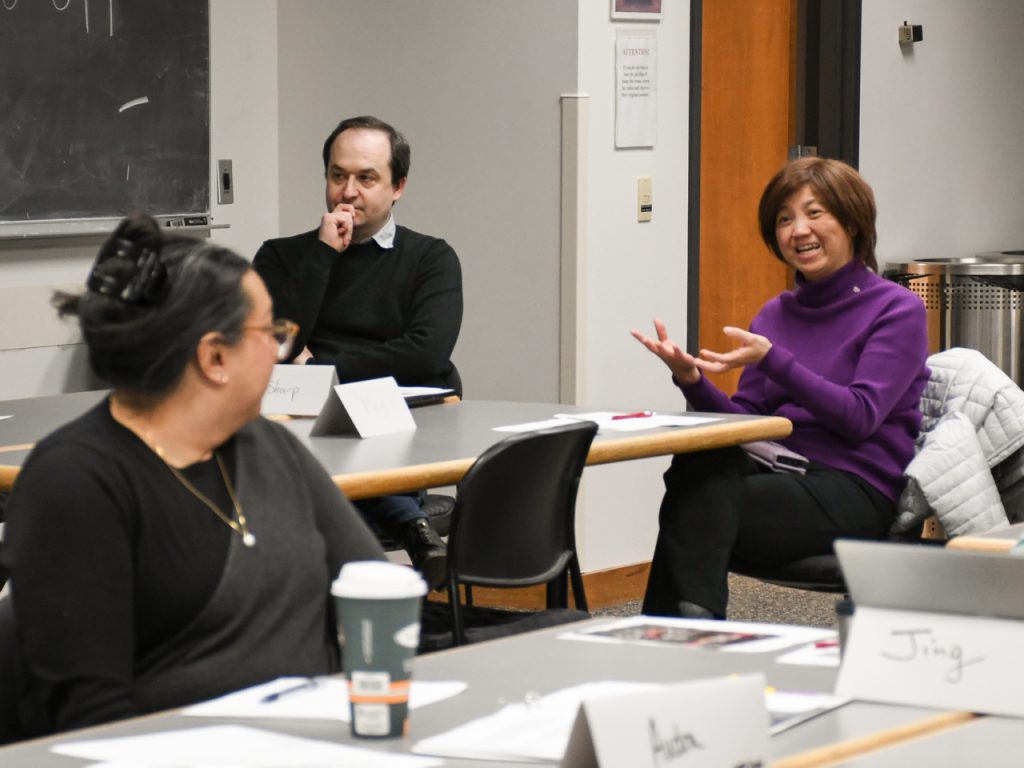
These sessions are facilitated discussions around mentoring. You will be placed in small groups with faculty and staff who have varying levels of mentoring experience. Everyone has something to gain from talking about mentoring practices with colleagues from across campus.
Experienced mentors have conveyed that they have found these sessions to be extremely valuable and provide actionable strategies for their mentoring practice. They have also commented that sharing their mentoring experience with colleagues in this context is a rewarding experience.
Every ARMP session is co-facilitated by two trained facilitators, one or more of whom is a faculty member who shares their own mentoring experiences in the context of the Entering Mentoring curriculum.
At least two four-day sessions are commonly offered each semester and early summer. There are one-day and two-day sessions that are also offered at the beginning and end of terms. All sessions are eight hours in total.
Because these sessions rely on developing a learning community, we require that everyone commit to attending all four sessions. If an unexpected conflict arises with a session’s scheduled time, please contact the facilitator or Nancy Ruggeri.
Preparation for these sessions may include some light readings and brief assignments, but they are not time-intensive. You are expected to come to the sessions prepared to actively listen, reflect, and share your thoughts on mentoring.
Several times a year we will offer alternatives to the four two-hour structure, including all-day sessions and two four-hour sessions. If this better suits your schedule, please check our website for when these sessions are offered.
We currently do not offer any sessions online.
Contact
Mentoring Consultations
We are available to work with you one-on-one on a range of mentoring topics, including:
- Feedback on expectations agreements
- Navigating mentoring challenges
- Sustaining departmental conversations around mentoring
- Supporting undergraduate research experiences
- Developing innovative approaches to mentoring
- Scheduling workshops for your program or department
Click below to get started, and we will respond to you shortly. We look forward to working with you!