Meet Cara Jenkins, ARMP Facilitator
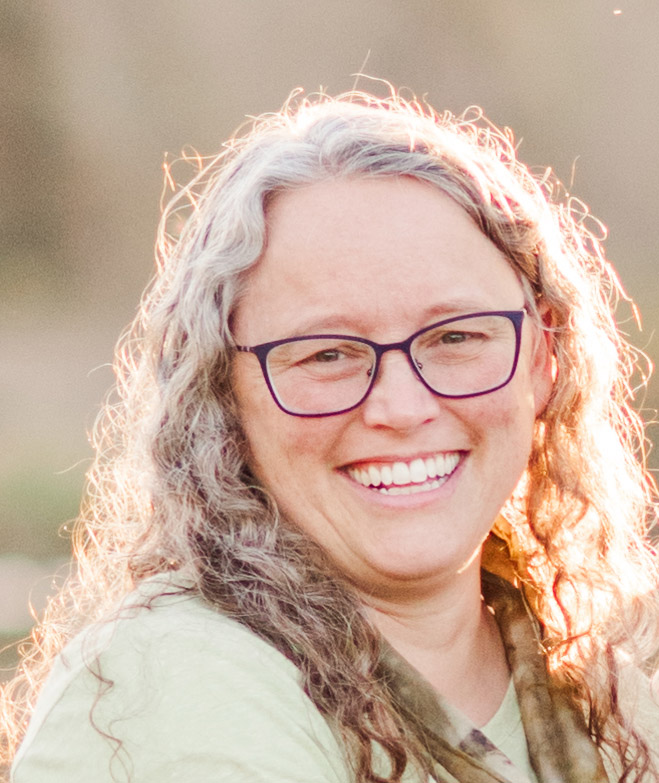
How do UW–Madison faculty and staff become more effective mentors to their research trainees? One way is by participating in Advancing Research Mentoring Practice (ARMP) training, which uses the evidence-based Entering Mentoring curriculum.
Facilitators like Cara Jenkins make these trainings possible. All facilitators are experienced mentors who have completed our Entering Mentoring Facilitator Training—and each one brings a unique perspective to the role. We asked Dr. Jenkins about her background and experience as an ARMP facilitator.
Tell us about your role and the work you do at UW–Madison.
I am the coordinator of the Chemistry–Biology Interface training program in the Chemistry department. Our program is NIH-funded and engages with students across a variety of departments who are interested in research that blends chemistry and biology approaches to understanding the world.
Tell us a little about yourself.
I earned my Ph.D in Chemistry in 2004, and have been in my current position since 2017. I enjoy working with graduate students and faculty, and am excited about the range of cool science that I get to learn about as our students learn to present their research. Outside of work, I enjoy gardening, quilting, and hanging out with friends and family.
How long have you been a mentor? How did you first get started?
My first experience as a mentor came during my graduate studies, where I mentored younger graduate students and undergraduates. In my current position I serve as an informal mentor for our graduate students, where I help them think about their research, build their science communication skills, and explore possible career paths.
Tell us about a mentoring success OR a memorable mentoring experience.
The most memorable mentoring experiences I have had are when students come to me for a regularly scheduled meeting and end up opening up about things they are struggling with. That connection is meaningful, and I hope I am helpful for the students in working through their struggles.
How long have you been facilitating ARMP?
I began facilitating ARMP workshops in 2020.
How do you apply the skills and knowledge from ARMP into your mentoring practice?
I am constantly thinking about good communication with students and faculty, and I am always looking for ways to help members of our program connect with one another to form a strong and supportive community.
What do you enjoy most about facilitating ARMP?
I enjoy the discussion that comes from asking interesting, open-ended questions.
What do you consider to be the biggest benefits of participating in ARMP?
The biggest benefits are twofold: 1) a chance to really think through your mentoring philosophy and approaches to mentoring challenges, and 2) connections with a small group of other mentors who are also interested in improving their mentoring practices.
Learn more about ARMP and how you can get involved.