Meet Trina McMahon, ARMP Facilitator
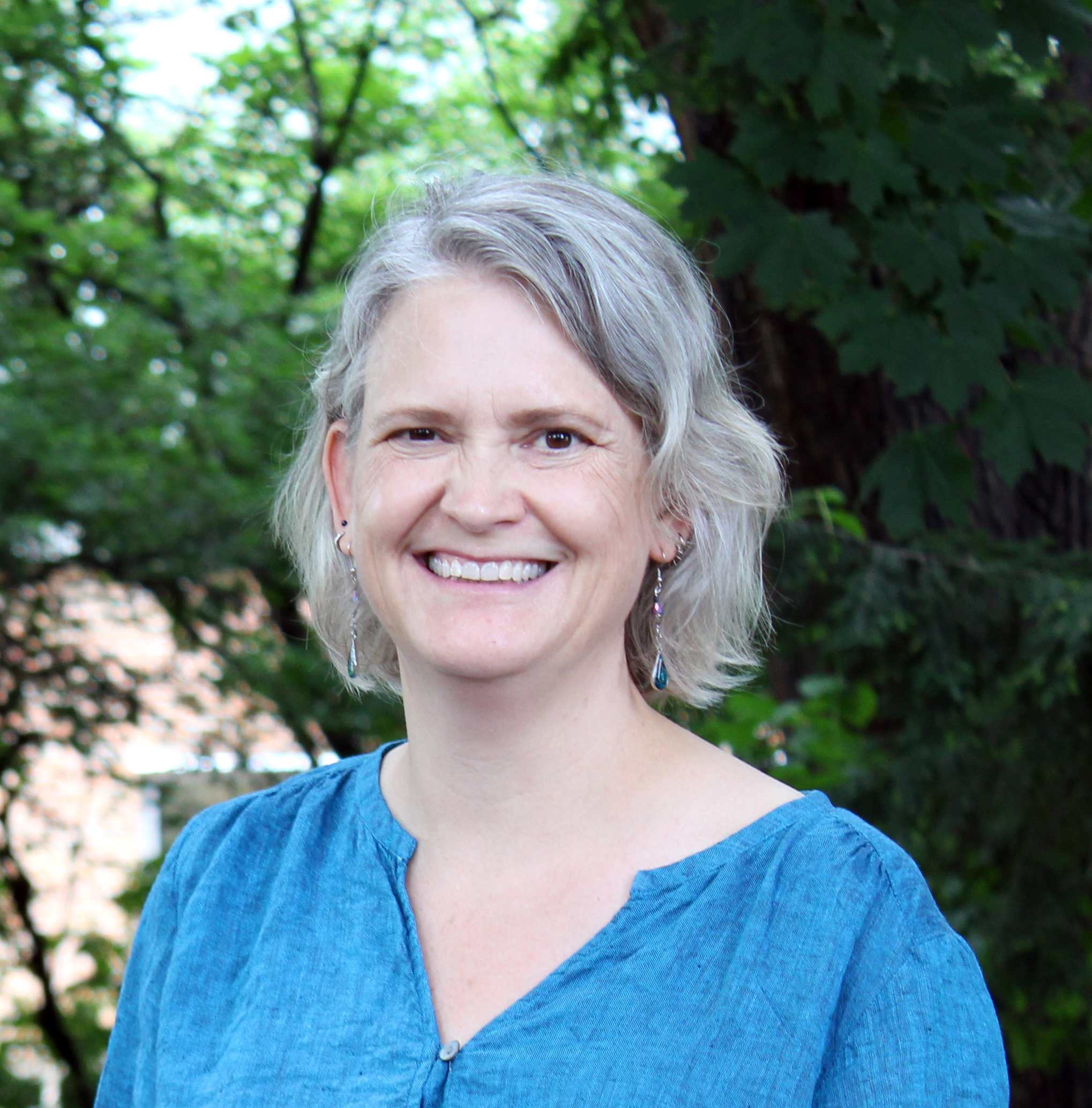
How do UW–Madison faculty and staff become more effective mentors to their research trainees? One way is by participating in Advancing Research Mentoring Practice (ARMP) training, which uses the evidence-based Entering Mentoring curriculum.
Facilitators like Trina McMahon make these trainings possible. All facilitators are experienced mentors who have completed our Entering Mentoring Facilitator Training—and each one brings a unique perspective to the role. We asked Dr. McMahon about her background and experience as an ARMP facilitator.
Tell us about your role and the work you do at UW–Madison.
I am a professor cross-appointed in the departments of bacteriology and civil and environmental engineering. I have been at UW–Madison since 2003 and am currently co-faculty director of the Delta Program. For the past four years, I was (vice)-Director of the Microbiology PhD program.
Tell us a little about yourself.
I have three degrees in engineering (BS/MS/PhD), but I am actually a microbiologist/limnologist. I study Lake Mendota and several lakes in northern Wisconsin. I grew up in Urbana, Illinois, because my father was a professor of electrical engineering at UIUC. I have two kids and two cats. Fun fact: I live in Aldo Leopold’s house!
How long have you been a mentor? How did you first get started?
I’ve been a mentor since at least 2003. I mentored undergraduates while I was a PhD student, though by current standards, I was terrible at it. I took on my first graduate student in 2003 and have been mentoring students in multiple programs since then. I was involved in developing the Research Mentor Training (RMT) curriculum in the mid-2000s, creating case studies for the faculty training materials.
Tell us about a mentoring success or a memorable mentoring experience.
This is not a specific example, but one of my favorite outcomes for my graduate students is for them to find a career that they love. Many of them have gone on to non-academic positions (e.g., industry, consulting, government agencies). Some were conflicted about whether to continue on an academic track, but I encouraged them to explore other options, and almost always, they found their way to something extremely fulfilling.
How long have you been facilitating ARMP?
That depends on how you define ARMP. I have been co-facilitating faculty Research Mentor Training (RMT) since 2008, for a total of 13 times.
How do you apply the skills and knowledge from ARMP into your mentoring practice?
I first created a “mentor-mentee compact” in 2003 and have refined it many times while co-facilitating RMT.
What do you enjoy most about facilitating ARMP?
Working with colleagues to have the “ah-ha” moments about best practices for mentoring. The “colleague consulting” is my favorite part.
What do you consider to be the biggest benefits of participating in ARMP?
Having the space to talk openly about our most challenging mentoring experiences.
Learn more about ARMP and how you can get involved.