Summer Research Program Mentors & Projects
Each student who comes to UW–Madison to participate in WISCIENCE’s Summer Research Program is placed in a research lab with a mentor who matches their research interests.
Here are some of the mentors participating this year and the research projects students can pursue in their labs (this is not a complete list—additional mentors and projects will be available).
- Animal and Dairy Sciences
- Bacteriology
- Biochemistry & Biomolecular Chemistry
- Biomedical Engineering
- Botany
- Cellular & Molecular Biology
- Chemistry
- Comparative Biosciences
- Endocrinology, Diabetes & Metabolism
- Entomology
- Forest and Wildlife Ecology
- Genetics & Medical Genetics
- Limnology
- Molecular Virology and Oncology
- Neurology & Neuroscience
- Oncology & Human Oncology
- Plant Pathology
Animal & Dairy Sciences
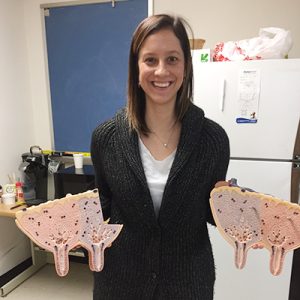
Laura Hernandez, Professor of Animal and Dairy Science
The overall goal of the Hernandez lab is to understand how autocrine/paracrine factors in the mammary gland regulate mammary gland development as well as milk synthesis and secretion. They utilize a combination of in vitro and in vivo models with a variety of mammalian species (mice, cattle, humans) to understand how the mammary gland and the mother adapt to lactation. They also utilize a combination of molecular and whole animal physiological techniques to understand mammary gland physiology.
Projects
Students will investigate the determination of the effects of SSRIs on mammary gland and placental development using immunohistochemistry and quantitative PCR.
Bacteriology
Jean-Michel Ané, Professor of Bacteriology
Understanding how beneficial interactions between plants and microbes develop is an important biological question, particularly relevant to modern agriculture and the economy. The Ané lab seeks to understand the molecular mechanisms that govern the establishment and function of these symbioses to better harness beneficial microbes to sustain agriculture, protect the environment, and reduce costs for food, feed, and biofuel production.
Projects
Students will investigate how mevalonate-derived metabolites relay symbiotic signals from the plant cell surface to the nucleus during the interaction between legumes and nitrogen-fixing bacteria. Using Agrobacterium rhizogenes root transformation, live-cell confocal imaging of a nuclear calcium sensor, and RT-qPCR, students will express genes of the mevalonate pathway in Medicago truncatula roots and evaluate how they control the nuclear calcium oscillations that mark the activation of the common symbiosis pathway.

Briana Burton, Associate Professor of Bacteriology
The Burton lab is interested in the mechanisms that bacterial cells use to transport biological macromolecules such as nucleic acid and protein across membrane barriers. Under stress conditions such as high cell density or limited nutrient availability, many bacterial species become “naturally competent,” or capable of importing DNA from their surrounding environment.
Projects
Students will compare the responses of wild type and mutant strains of competent bacteria under different nutrient limitations and cell densities where resource competition is increased. Students will learn how to (1) prepare donor DNA and perform standard microbiology techniques including transformations and culture plating to study efficiency of DNA transfer; (2) isolate colonies and purify genomic DNA to submit for whole genome sequencing; (3) analyze genomes of their transformed cells to learn about the molecular mechanisms that drive genome changes during this natural cellular transformation.

Erica Majumder, Assistant Professor of Bacteriology
The Majumder Lab is dedicated to using systems biology to investigate novel microbial metabolisms. They have two areas of research focus: determine multi-scale mechanisms of microbe-contaminant interactions in various environments and apply metabolic engineering to upcycle agricultural and industrial wastes to next-gen bioplastics.
Projects
Students will investigate the role of each member in landfill microbial communities as they degrade or sequester recalcitrant materials such as plastics, rubbers, and metals. Students will learn to culture, evolve, and enrich microbial consortia. Students will also get training in molecular analyses for microorganism identification like next generation sequencing and chemical methods to assess degradation.
Jade Wang, Professor of Bacteriology
Bacterial stress responses allow cells to survive fluctuating environments, antibiotic treatments, and host defenses. While the transcriptional and post-transcriptional networks governing stress responses have been characterized extensively, there are major gaps in our knowledge beyond transcription regulation. The Wang lab seeks to answer the following fundamental questions: How do bacteria utilize stress-induced small molecules to adapt to their specific environmental niches? How do bacteria enter a metabolically dormant persister state that is intrinsically tolerant to a broad array of antibiotic treatments? How do stressed bacteria mitigate potential conflicts between their DNA replication and transcription machineries to ensure survival? What are the molecular mechanisms of bacterial evolution to fit their specific niches?
Projects
The student will investigate how the stress signaling nucleotide ppGpp allows bacterial stress adaptation using bacterial genetics and biochemical approaches.
Biomedical Engineering
Megan McClean, Associate Professor of Biomedical Engineering
Cells must sense and process diverse stimuli in order to survive and thrive. The McClean research group takes a bioengineering approach to answering fundamental and medical questions about biological signal processing with an emphasis on model and pathogenic yeasts.
Projects
Students will identify stressors and nutrient signals that regulate dispersion from Candida albicans fungal biofilms by using light microscopy, sterile technique, ImageJ image processing, underoil microfluidic device creation, and gene expression analysis.
Biochemistry & Biomolecular Chemistry
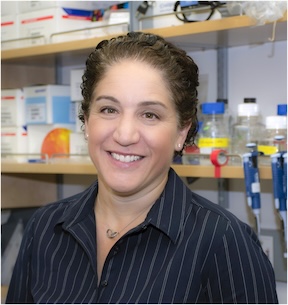
Melissa Harrison, Professor of Biomolecular Chemistry
The Harrison lab leverages the robust toolbox available for studies in Drosophila melanogaster to understand the fundamental mechanisms that regulate gene expression during development. The lab investigates how conserved developmental transitions are controlled by transcription factors that act at the top of gene-regulatory networks.
Projects
Students will use a combination of molecular biology, genetics, and imaging to determine how transcription factors control development. They will use Cas9 gene editing to add fluorescent tags to conserved transcription factors, molecularly confirm the editing, and image the subcellular localization of the factor.
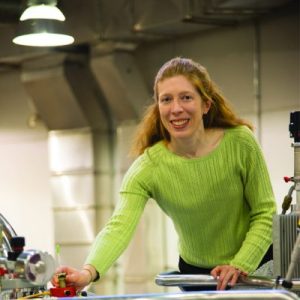
Katherine Henzler-Wildman, Professor of Biochemistry
The Henzler-Wildman lab investigates how bacteria respond to external toxins, including antibiotics. The lab is especially interested in how multidrug efflux pumps work in different ways in response to different small molecule toxins and how the toxin and the drug pump activity affects bacterial metabolism.
Projects
Students will work with E. coli and in vitro liposomal assays to test specific mechanistic hypotheses related to multidrug efflux pumps including microbiology drug resistance and susceptibility, NMR and/or mass spec metabolomics, functional assays to monitor the proton motive force, ATP production and NADH production in response to toxin exposure.

Aaron Hoskins, Associate Professor of Biochemistry
The Hoskins lab uses biochemistry and biophysics to study eukaryotic RNA processing and how the machines responsible for this are assembled, catalyze reactions, and regulated. They are interested in how RNA-based regulatory systems are responsible for the switch between a unicellular and multicellular state in the aquatic yeast Hortaea werneckii.
Projects
Students will genetically manipulate H. werneckii and use molecular biology and bioinformatics tools to study the impact on RNA processing and cell state (multicellular vs. unicellular). They will examine the biological circuits that drive morphological changes and adaptation to the environment.
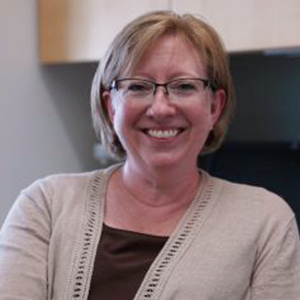
Christina Hull, Professor of Biomolecular Chemistry
Spores of the human fungal pathogen Cryptococcus neoformans must resist extreme stressors to survive in the environment and in mammalian hosts. During the sexual cycle, C. neoformans grows as a unicellular budding yeast and switches to multicellular hyphal growth, which is important because spores resulting from sexual development are more resistant to stress than yeast. To identify potential fungal responses to increasing global temperatures, the Hull lab is adapting attenuated laboratory strains (wild type and selected gene knockout strains) to increasing temperatures during vegetative growth.
Projects
Students will evaluate the resulting temperature adapted strains and their spore progeny for fitness in an array of phenotypic, cellular, and molecular assays to determine the effects of adaptation to temperature stress on cellular responses, including pathogenesis.
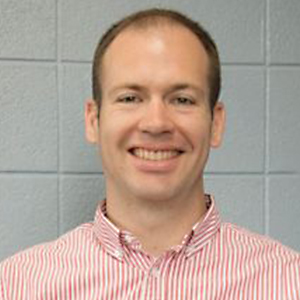
Robert Kirchdoerfer, Assistant Professor of Biochemistry
The Kirchdoerfer lab studies how coronaviruses enter cells and how they replicate their genomes once inside. During infections of cats with feline coronavirus, the virus coevolves with the host because of stresses due to the antibody response. This coevolution may result in altered pathogenicity of the virus infection, leading to fatal outcomes. The lab uses a multipronged approach to analyze both evolution of the virus and host antibody response using next-generation sequencing, antibody binding, and structural biology.
Projects
Students will compare sequences from closely related viruses sampled from different sites and between cats and map antibody epitopes in cat sera to establish a molecular basis for the evolution of pathogenicity for feline coronaviruses.
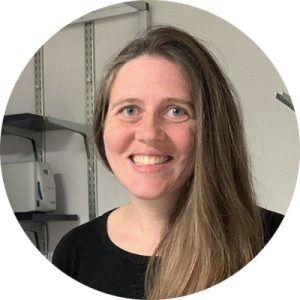
Andrea Putnam, Assistant Professor of Biomolecular Chemistry
The Putnam lab investigates how cells organize their molecular components during development. Using C. elegans, they focus on RNA-binding proteins that self-assemble into membraneless structures called condensates. Combining molecular and biophysical approaches, the lab studies the mechanisms driving condensate assembly and the developmental consequences when this organization is disrupted.
Projects
Students will investigate how condensates assemble and how their disruption affects development. Using in vitro biochemical condensate assays and in vivo confocal microscopy, they will examine how mutations in RNA-binding proteins disrupt condensate formation and link these defects to quantifiable phenotypes such as fertility and embryonic and neuronal development.
Botany
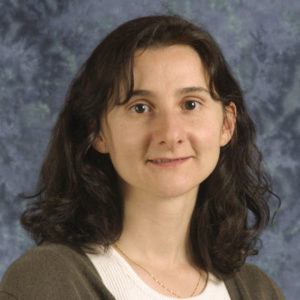
Marisa Otegui, Professor of Botany
The Otegui Lab uses Arabidopsis, maize, sorghum, and other plant species to investigate how membrane trafficking pathways evolved and function in plant cells. Their research combines evolutionary cell biology, genetics, and biochemistry with advanced imaging approaches to uncover how cells organize, transport, and recycle proteins and membranes during growth, development, and environmental responses.
Projects
Students will investigate how membrane trafficking pathways have evolved across plant species, including Arabidopsis, maize, and sorghum. Using advanced confocal microscopy, fluorescent protein markers, and image analysis, they will compare the organization and dynamics of cellular compartments to identify conserved and divergent features of plant cell organization during development and stress conditions.
Cellular & Molecular Biology

Tu-Anh Huyhn, Assistant Professor of Food Science
The Huyhn lab investigate how bacterial pathogens persist in the environment, interact with environmental and host microbiota, and cause infection in mammalian hosts.
Projects
The summer project will focus on Listeria monocytogenes, a bacterial food-borne pathogen with multiple lifestyles in the environment and infected hosts. There are two potential projects for students to choose from. One is to understand how glutathione regulates Listeria virulence gene expression. The other is to develop synthetic microbial communities that inhibit Listeria.
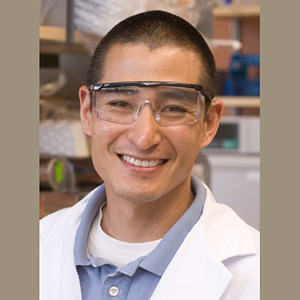
Trey Sato, Senior Scientist, Wisconsin Energy Institute
My lab’s research interest is to understand ways in which we can make cost-effective biofuels from plant biomass. We use the model yeast species, Saccharomyces cerevisiae, to ferment the sugars from plant material to alcohols, including ethanol and isobutanol. We genetically modify S. cerevisiae so that the organism can ferment faster under stressful industrial conditions.
Projects
The visiting student would learn basic genetic and molecular biology techniques to genetically modify S. cerevisiae. This includes performing PCR, purifying genomic DNA and transforming yeast. Confirmed strains could be tested in fermentation experiments to determine if the modification improved biofuel production.
Chemistry

Silvia Cavagnero, Professor of Chemistry
The Cavagnero Lab studies protein folding and aggregation in the cell, and their implications for bacterial mechanisms and population control, large-scale production of low-cost protein-based pharmaceuticals, and human health. The lab focuses on events related to protein birth, including interactions of nascent chains with the ribosome and molecular chaperones.
Projects
The available summer project focuses on reprogramming the bacterial ribosome via genetic recombineering and chaperone engineering for the production of soluble proteins devoid of inclusion-body formation upon release from the ribosome. The research involves learning recombineering, protein expression/purification, and biophysical methods including fluorescence imaging/spectroscopy and dynamic light scattering.
Comparative Biosciences
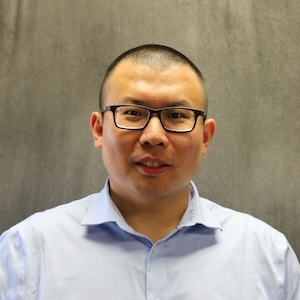
Fei Zhao, Assistant Professor of Comparative Biosciences
The Zhao Lab aims to understand cellular and molecular mechanisms underlying sexual differentiation of reproductive tracts. Disruptions in reproductive tract differentiation can lead to disorders of sex development and jeopardize an individual’s future reproductive potential. Our research will provide fundamental knowledge for the development of better strategies for prevention, diagnosis, and treatment of related disorders of sex development and reproductive diseases.
Projects
Students will explore how male steroid hormones regulate male reproductive tract development and functions using transgenic mouse models.
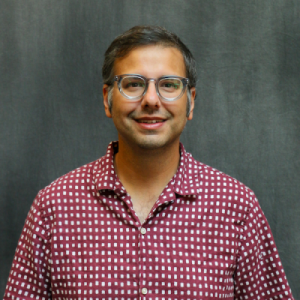
Kavi Mehta, Assistant Professor of Comparative Biosciences
The Mehta lab is interested in undertaking how the replication stress response and mutagenic potential are regulated in the presence of both endogenous and environmental genotoxins, including industrial chemicals and viruses. The lab uses large-scale unbiased proteomics, longitudinal whole genome sequencing, basic microbiology, and single-molecule assays to answer these questions.
Projects
We are interested in knowing how specialized and mutagenic polymerases are regulated. A potential summer project would be investigating how putative regulatory motifs within TLS polymerases regulate them.
Endocrinology, Diabetes & Metabolism
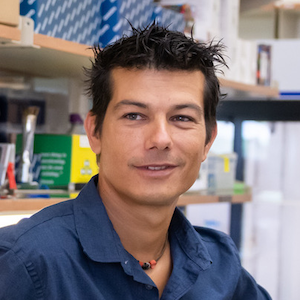
Andrea Galmozzi, Assistant Professor of Endocrinology, Diabetes & Metabolism
Research in the Galmozzi Lab aims to identify functional pathways in adipocytes amenable to pharmacological modulation. This work may lead to the development of novel and safer interventions to treat metabolic disorders, including obesity, type 2 diabetes and cachexia.
Projects
Current projects ongoing in the lab focus on understanding the contribution of heme biosynthesis to brown adipose tissue function, determining the role of lipid cycle on systemic energy homeostasis, and dissecting the crosstalk between cancer cells and adipose tissue.
Entomology
Sean Schoville, Professor of Entomology
The Molecular Ecology (Schoville) lab investigates processes that generate species diversity, particularly the ecological and evolutionary mechanisms that shape adaptation and resilience of various organisms. Their work integrates diverse scientific approaches, including population genomics, functional genomics, ecological studies, and physiological experiments.
Projects
Student will assess population genetic diversity, population connectivity, and evolutionary potential in threatened insect species. By developing technical skills in laboratory genetics and spatial environmental modeling, the student will assess the current conservation status of the focal species.
Forest and Wildlife Ecology
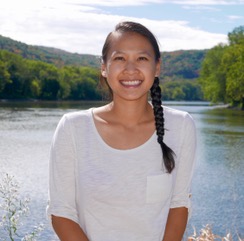
Jessica Hua, Associate Professor of Forest and Wildlife Ecology
The Hua lab studies the fundamental mechanisms shaping ecological interactions, evolutionary processes, and eco-evo feedback in human-modified environments. They combine community ecotoxicology, evolutionary toxicology, and disease ecology using amphibians and pond ecosystems as a model system.
Projects
Students will investigate how global change factors (e.g., pollutants, temperature shifts, and emerging infectious disease) influence amphibian populations and wetland ecosystems, and how these disturbances reshape ecological and evolutionary relationships between hosts, parasites, and their environment. Using laboratory toxicity assays, mesocosm and field studies, DNA extraction/microbiota sampling, and parasite exposure trials, students will examine how these stressors interact to affect amphibian health and wetland community dynamics.
Genetics & Medical Genetics
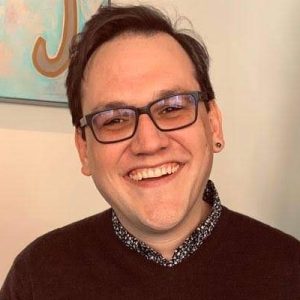
Jacob Brunkard, Assistant Professor of Genetics
The Brunkard Lab investigates how plants sense and respond to nutrients through the TARGET OF RAPAMYCIN (TOR) signaling network, using genetics, cell and molecular biology, multiomics, and developmental biology approaches. They seek to discover the precise metabolite sensors that act upstream of TOR, to map the signal transduction pathways from these sensors to TOR, and to understand how TOR activity regulates cell-cell communication in plants.
Projects
Students will investigate how TOR regulates the tempo of plant development in maize by promoting new leaf formation when nutrients are available and limiting organogenesis when nutrients are limiting. Each student will participate in two tracks to learn different aspects of maize molecular genetics: in the lab, students will use biochemical and molecular approaches to identify the RNA binding partners of the TOR-phosphorylated RNA binding protein; in the field, students will track leaf initiation and developmental phenotypes of mutants disrupted in various stages of this signaling pathway.

Audrey Gasch, Professor of Genetics
The Gasch lab uses genomics and systems biology to understand principles of stress-resistance, genetic variation in environmental responses, and evolution of stress defense systems. The lab’s analyses of salt-induced stress in yeast (S. cerevisiae) indicate that fast growing cells tend to be more susceptible to stress than slow growing or quiescent cells and that transcription networks are central to adaptation to salt stress.
Projects
Students will compare stress tolerance across natural strains of budding yeast S. cerevisiae. Their projects will compare growth rates and/or viability in yeast responding to stresses including sodium chloride, heat shock, reductive stress, and other compounds different yeast lineages may see in nature. After characterizing natural variation in stress tolerance, students will use RNA sequencing transcriptomics and genetic mapping to understand the genetic basis of those differences.
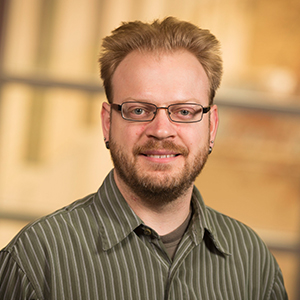
Christopher Hittinger, Professor of Genetics
The Hittinger lab studies the evolutionary genomics of yeast carbon metabolism, including in stressful environments encountered during the production of sustainable biofuels, bioproducts, and fermented food and beverages.
Projects
Students will compare how diverse yeast species respond to ecologically relevant stresses, especially in the context of temperature, carbon source, or reactive oxygen species. They will use microbiological, molecular genetics, and bioinformatic research methods.
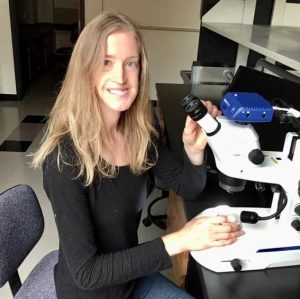
Claire Richardson, Assistant Professor of Genetics
Aging is the principal risk factor for cognitive decline and neurodegenerative disease. From worms to humans, neuronal aging is associated with decay in cellular function and increased risk for disease pathologies. The Richardson lab aims to understand the fundamental cell biology underlying post-developmental neuronal maintenance, which will lead to strategies for intervention that bolster maintenance and stave off aging.
Projects
Students will investigate how C. elegans stress response pathways regulate maintenance of the chemical synapse, where neurons connect together in the neural circuit, using genetic crosses, confocal microscopy image acquisition and analysis.
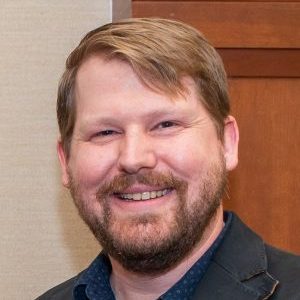
Jason Peters, Associate Professor of Pharmaceutical Sciences
The Peters lab uses the power of bacterial genetics to address critical questions related to bacterial stress. Their CRISPR-based functional genomics approaches allow them to define the roles of gene networks when faced with plant-based inhibitors or antibiotic stress. They are currently developing innovative CRISPR tools for exploration of gene function in bioenergy-relevant alpha-Proteobacteria (Zymomonas mobilis, Rhodobacter sphaeroides, and Novosphingobium aromaticivorans) and antibiotic resistant, Gram-negative ESKAPE pathogens (Klebsiella pneumoniae, Acinetobacter baumannii, Pseudomonas aeruginosa, and Enterobacter cloacae).
Projects
Students will identify and study genes responsible for bacterial resistance to plant-based inhibitors using CRISPR and other genetic tools. Experimental readouts include next generation sequencing, fluorimeter measurements, growth curves, and other fitness assays.
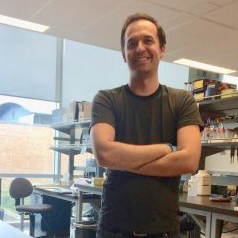
Nathaniel Sharp, Assistant Professor of Genetics
The Sharp lab uses experimental and genomic methods to understand how the process of spontaneous mutation evolves and varies among species and environments, and how mutations affect important phenotypes. They conduct this research using multiple species of yeast, including the opportunistic human pathogen Candida albicans, which exhibits high levels of mutational variation.
Projects
Students will investigate how yeast mutation rates change when exposed to antifungal drugs and reactive oxygen species. Students will learn how to culture yeast and estimate mutation rates. These data will be used to understand genome evolution in an important human pathogen.
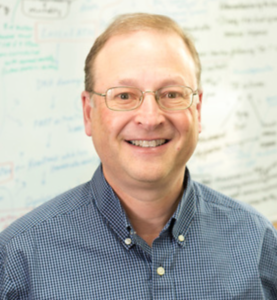
David Wassarman, Professor of Medical Genetics
The Wassarman lab uses a Drosophila melanogaster model of mechanical stress to test the hypothesis that naturally occurring genetic variation establishes distinct pre-stress physiological states that determine subsequent stress responses. Their research focuses on the innate immune system, whose activity can be readily quantified and genetically manipulated.
Projects
Students will investigate how interactions between epithelial barrier integrity and innate immune signaling determine susceptibility to mechanical stress. Using qRT-PCR and confocal microscopy, they will examine how mutations that disrupt epithelial barrier function alter innate immune activation following mechanical stress.
Limnology
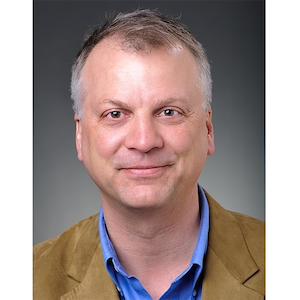
Paul Hanson, Distinguished Research Professor of Freshwater Science
The Hanson team studies how climate change, land use, and human activity impact our lakes, as well as the ways in which big data and team science are shaping freshwater research. By measuring lake water quality and running computer simulations of lakes, they seek to understand the changes needed to improve the quality of freshwater, and they use artificial intelligence (AI) techniques to apply their insights to lakes around the world.
Projects
Students will measure water quality on Madison-area lakes, using standard limnological techniques. Measurements will be combined with computer simulations and images from airborne cameras to understand how water quality changes through the summer. Students will learn how their predictions of water quality might be improved through the application of artificial intelligence.
Molecular Virology and Oncology

Nathan Sherer, Professor of Molecular Virology and Oncology
The Sherer lab is interested in understanding how viral infection causes cell stress linked to disease as well as how viruses modulate cell stress responses to ensure efficient viral replication. To this end, the lab combines live cell imaging assays with a variety of virological and biochemical assays.
Projects
Students will study how mRNA translation by human immunodeficiency virus type 1 (HIV-1) or human papillomaviruses (HPVs) is affected by cell stress signaling mediated by the integrated stress response (ISR). The student will use genetic and pharmacological approaches and live cell imaging to measure viral and cellular responses to ISR agonists and antagonists.
Neurology & Neuroscience
Corinna Burger, Associate Professor of Neurology
The Burger Lab focuses on studying the molecular biology of learning and memory, and genetic mechanisms underlying neurodegenerative disorders such as Alzheimer’s disease and Parkinson’s disease. The lab uses a multidisciplinary approach to understand the molecular, cellular and behavioral mechanisms of learning and memory in aging and in neurodegenerative diseases.
Projects
Learning behavioral tests on rodents, investigating pathology via immunohistochemistry and western blot analysis
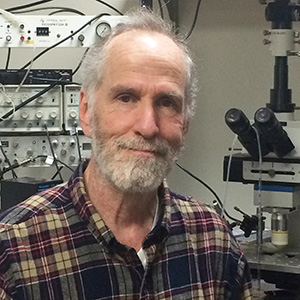
Meyer Jackson, Professor of Neuroscience
Our lab studies synapses at the molecular and circuit levels. We study the molecules that enable a nerve terminal to release neurotransmitter at a synapse. We use voltage sensors to image the complex electrical activity in intact neural circuits.
Projects
Students can patch clamp cultured cells to investigate synapses or use one of our genetic targeting approaches to image electrical activity in a distinct neuronal cell type.
Oncology & Human Oncology
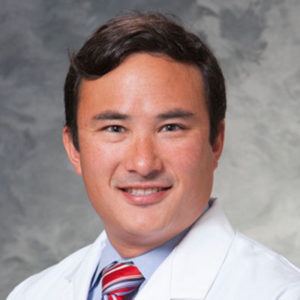
Randy Kimple, Associate Professor of Human Oncology
Projects
Students will use cell culture, clonogenic survival, and organoid models of cancerwork to investigate questions such as: 1) how do mesenchymal stromal cells repair radiation induced damage to the salivary gland; and 2) does inhibition of the MET receptor synergize with a novel targeted radionuclide therapy in treatment of lung cancer?
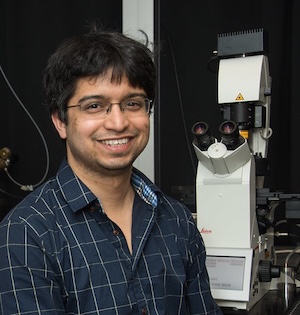
Kinjal Majumder, Assistant Professor of Oncology
The Majumder Lab studies how small DNA viruses navigate the nuclear environment, establishing themselves for long-term persistence or inducing host genome instability. These infection outcomes are important for engineering oncolytic virotherapies, gene therapy vectors, and understanding how oncogenic viruses cause cancer.
Projects
Students will investigate how viral infection induces cellular DNA breaks on the host genome using comet assays and confocal imaging. They will build skills in performing tissue culture, molecular virology, CRISPR-mediated genome editing, imaging, and data analysis.
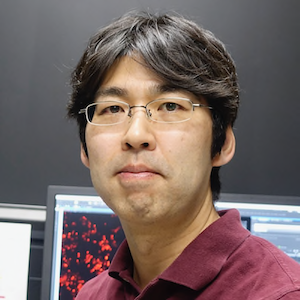
Aussie Suzuki, Assistant Professor of Oncology
The Suzuki Lab is at the forefront of biomedical research, focusing on three critical areas: (1) unraveling how cells prevent chromosomal instability to avert cancer development; (2) elucidating the mechanisms by which Human Immunodeficiency Virus 1 (HIV-1) manipulates the host cell cycle; and (3) dissecting the processes involved in the production of Epstein-Barr Virus (EBV) virions during the lytic phase. Despite the diversity of these research area, the Lab’s advanced expertise in fluorescence microscopy serves as a unifying foundation, enabling deep insights and significant advancements in understanding complex biological systems.
Projects
Students will explore the mechanisms underlying chromosomal instability, a driving factor in carcinogenesis and developmental disorders. They will gain proficiency in (1) fundamental cell biology techniques; (2) advanced imaging methods, including super-resolution microscopy; and (3) quantitative image analysis, laying a strong foundation for careers as cell biologists.
Plant Pathology

Emile Gluck-Thaler, Assistant Professor of Plant Pathology
The Gluck-Thaler Lab investigates the genetic bases of fungal pathogenesis by integrating computational biology with molecular genetics and evolutionary data science. Our research is centered on answering two main questions: when do “good” fungi turn “bad,” and how do fungi learn new tricks for causing disease? We answer these questions by looking not only at how fungi interact with their hosts, but how fungi interact with giant transposons called Starships that are hidden within their genomes and have outsized impacts on adaptation.
Projects
Students will explore how the activity of Starship transposons impacts important fungal phenotypes related to stress, antifungal resistance, and pathogenicity by coupling genetic transformations, competition assays, and bioinformatic analyses of DNA and RNA sequencing data.

Aurélie Rakotondrafara, Associate Professor of Plant Pathology
The Rakotondrafara lab studies Sclerotinia sclerotiorum, a pathogen that infects a broad range of economically important crops and is notable for its persistency in the environment. This fungus is necrotrophic, that is, it needs to kill the plant to consume nutrients from the dead tissues. With the limited number of genetically resistant cultivars, disease management strategy relies heavily on fungicide use. The lab aims to identify alternative strategies to combat this devastating disease using mycoviruses for sustainable fungal disease control. One focus it identifying the mechanism underlying the viral encoded replication-associated protein (REP) interference of the normal growth of the fungus and its pathogenicity.
Projects
Students will study the cellular stress responses at the transcription level in the fungus upon exposure to REP and dissect whether the function of REP in viral replication is necessary for the hypovirulence effect.