Meet Amy Tran, CMBS Summer Research Student
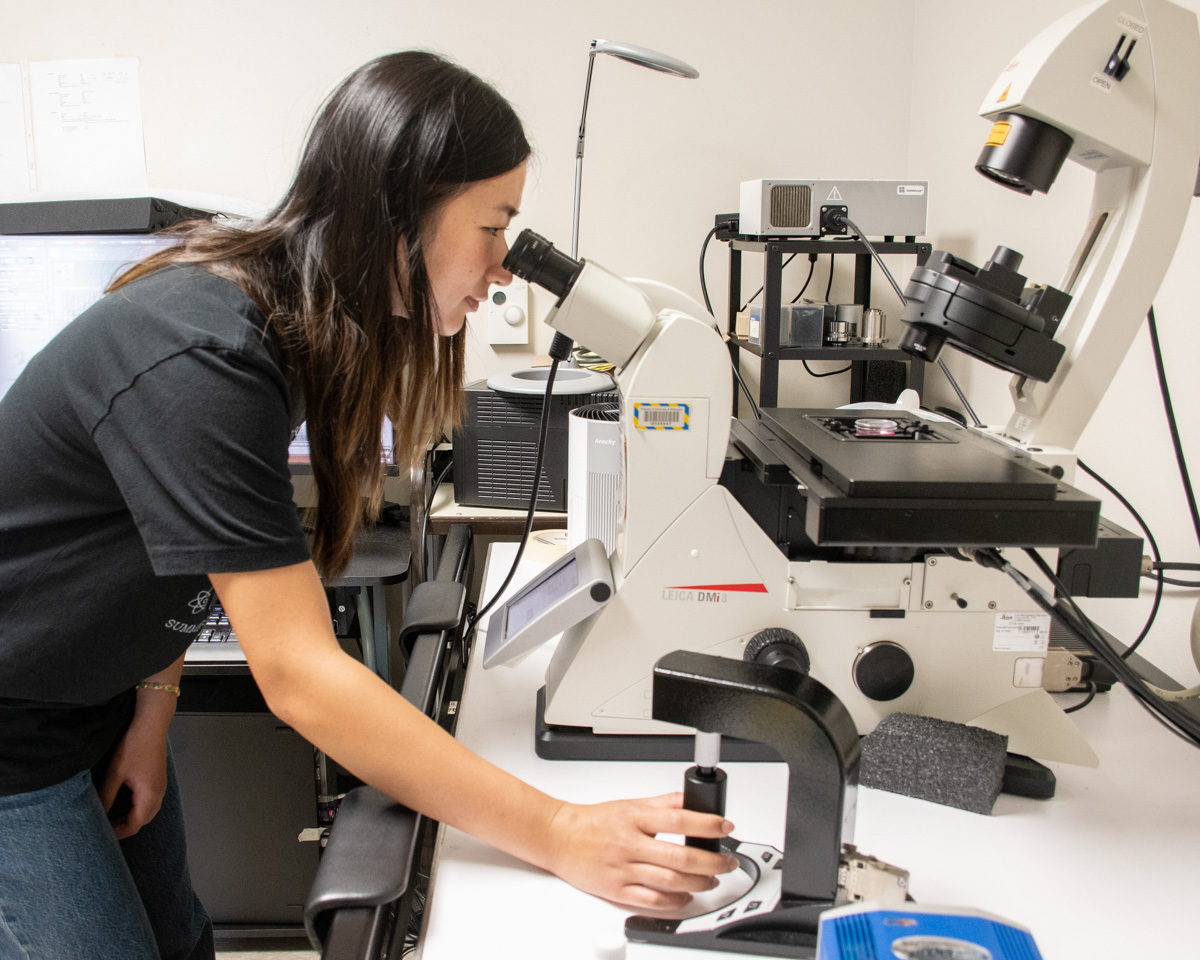
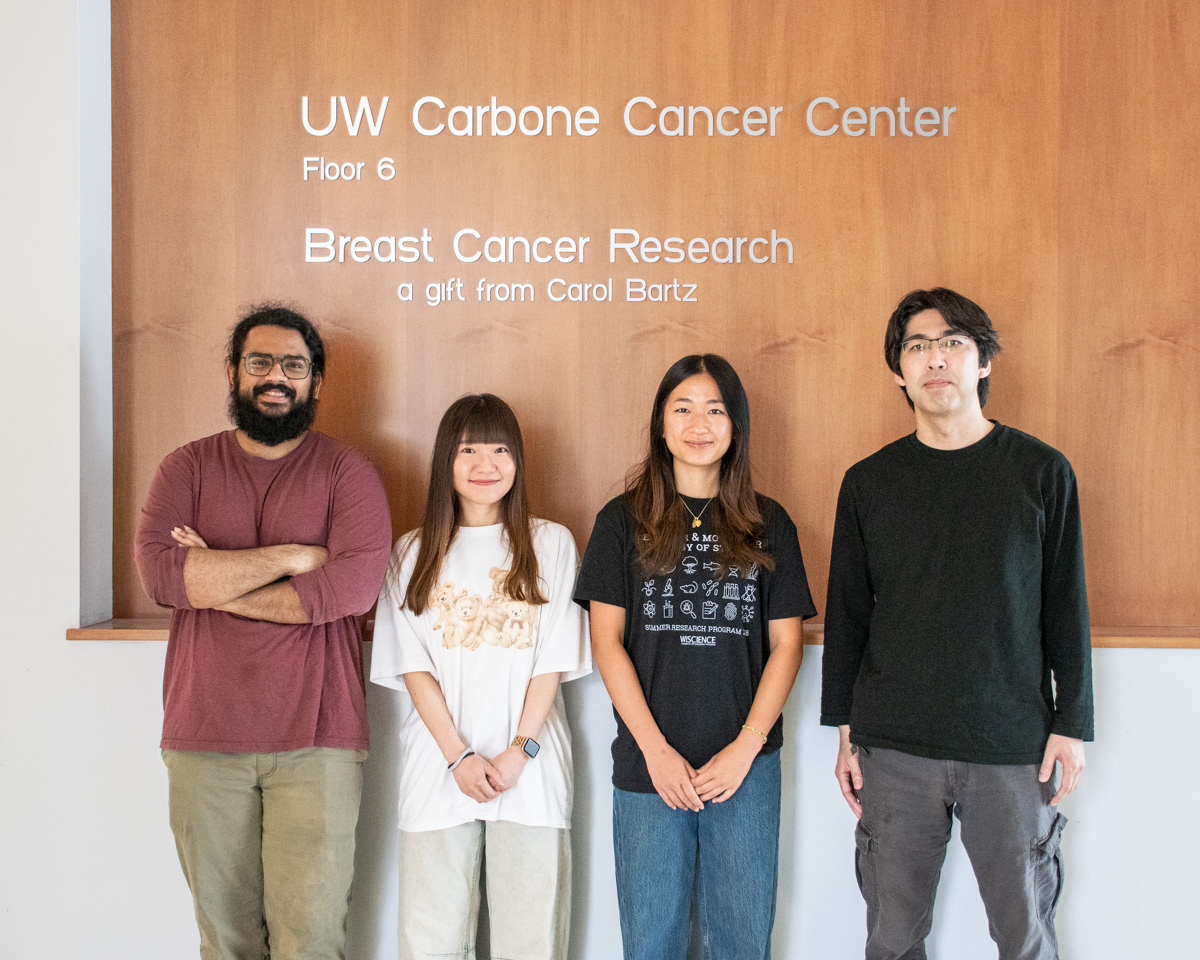
Amy Tran came to UW–Madison to participate in the Cellular and Molecular Biology of Stress Summer Research Program organized by WISCIENCE. During this 10-week program, Amy was placed in the Suzuki Lab, where she worked on an independent research project in collaboration with her mentors, Wan-Yi Hsiao and Dhaval Ghone, and PI, Aussie Suzuki.
This program also offered Amy opportunities to learn about grad school and research careers, practice science communication skills, build community with other student researchers, and even have some fun exploring Madison—she spent much of the summer covering Madison and its food scene by Bcycle.
Hailing from Rancho Cucamonga, California, Amy is majoring in biology and public health at Chaffey College. Outside of her studies, she’s a stationery collector and spontaneous explorer, always up for wandering somewhere new. She also loves the outdoors, especially hiking, snorkeling, snowboarding, and biking.
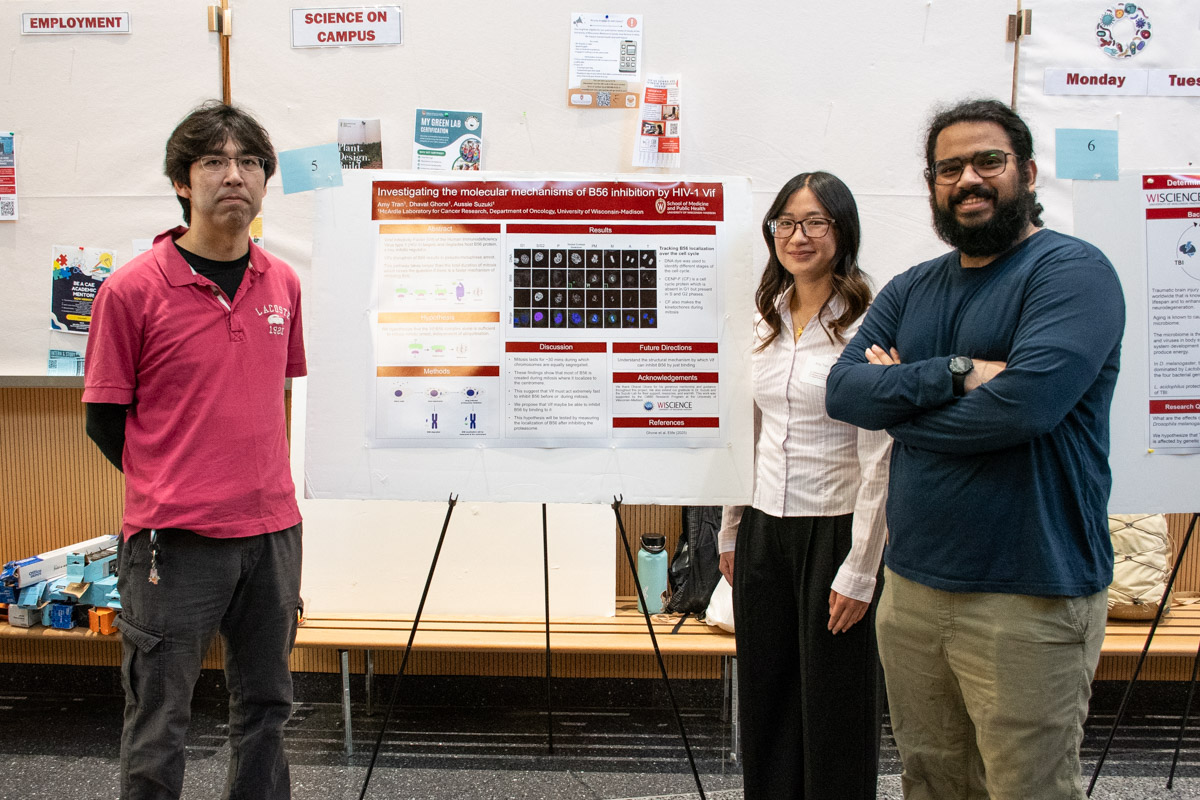
Briefly, what is the research project you are working on right now?
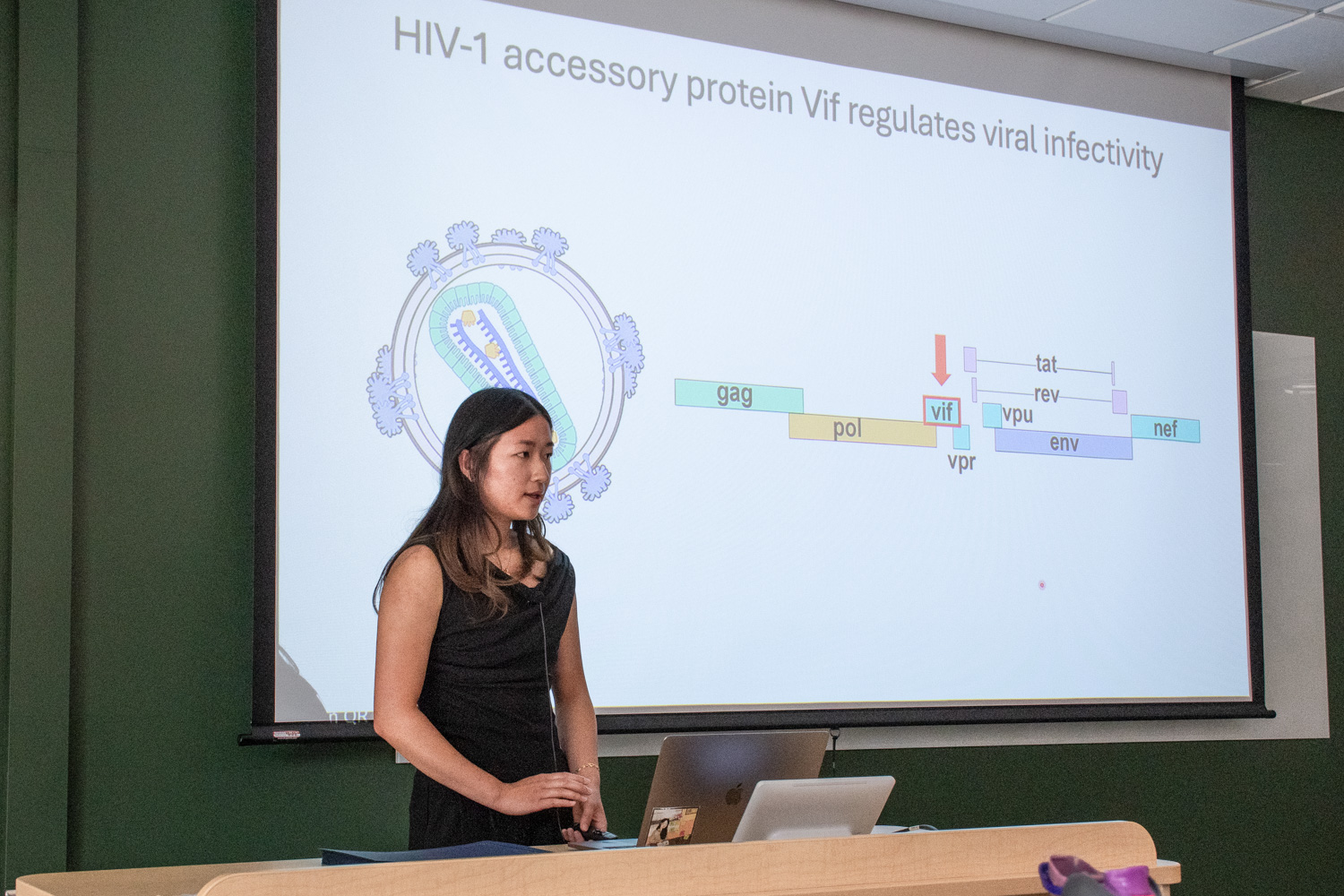
This summer, my research focused on unraveling how the HIV-1 protein Vif disrupts the host protein B56.
What led you to apply for this program?
A strong curiosity for graduate-level research, paired with limited opportunities at my home institution, drew me to UW–Madison, one of the top research universities and home to a striking number of summer programs aimed at bringing undergraduates into labs. I was drawn to joining a supportive community, and that has held true throughout my time here. And with a city as beautiful as Madison, I knew this was exactly where I wanted to spend my summer.
What has the program been like for you so far?
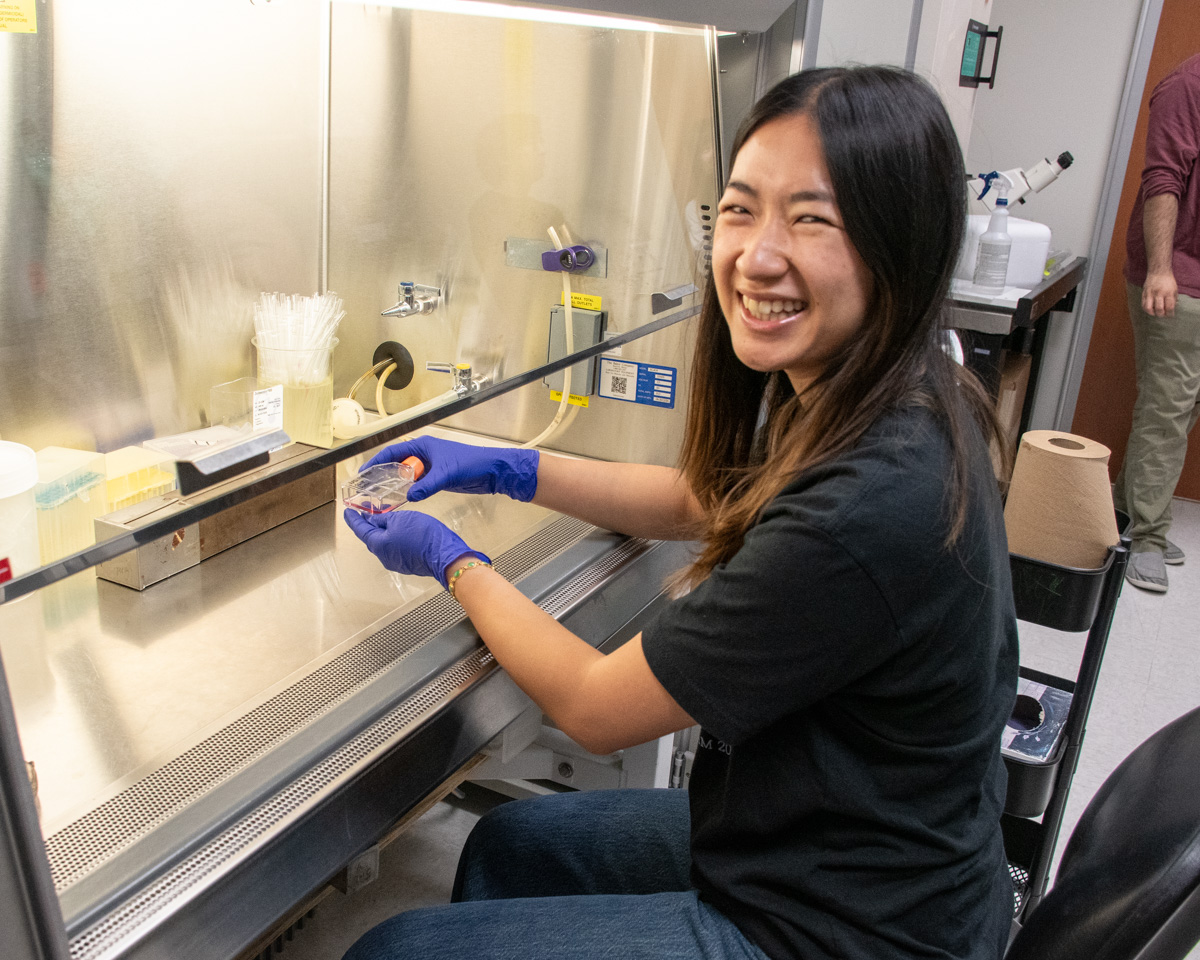
CMBS has been deeply fulfilling. Between hands-on research, professional development sessions, and the network of mentors and grad students who’ve generously shared their advice along the way, I’ve grown in ways I didn’t expect. But it’s my cohort I’ll remember most: a group of driven, kind people who turned exploring Madison into the best part of my summer, one I know I’ll hold onto for a long time.
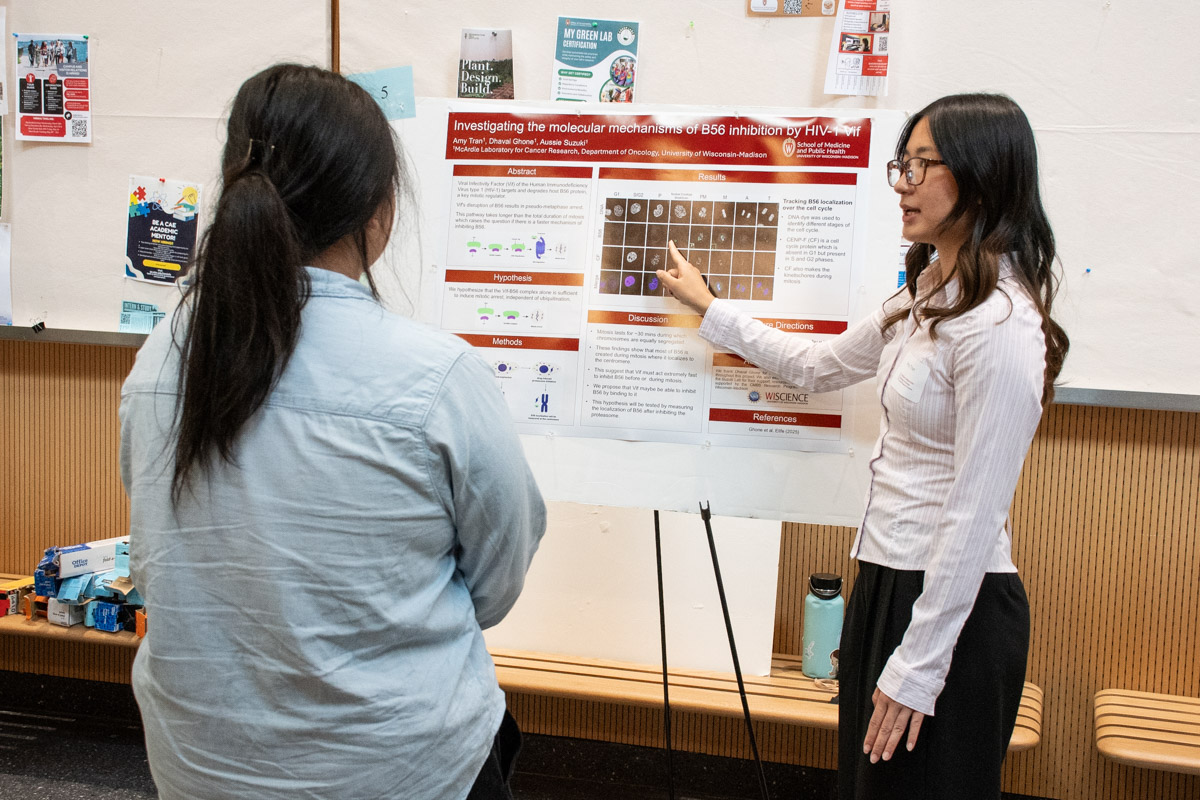
What is something interesting or surprising that you’ve learned or done in this program?
What surprised me most this summer was realizing that a project doesn’t need to be your overarching passion for the experience to be worthwhile. What I gained instead were foundational skills, technical proficiency, patience, and problem-solving that will carry into whatever I study next. If you’re not immediately drawn to your assigned project, that’s completely normal, and still deeply valuable. What matters most is staying adaptable and taking every lesson you can into the future.
What has been the most valuable part of your lab experience this summer?
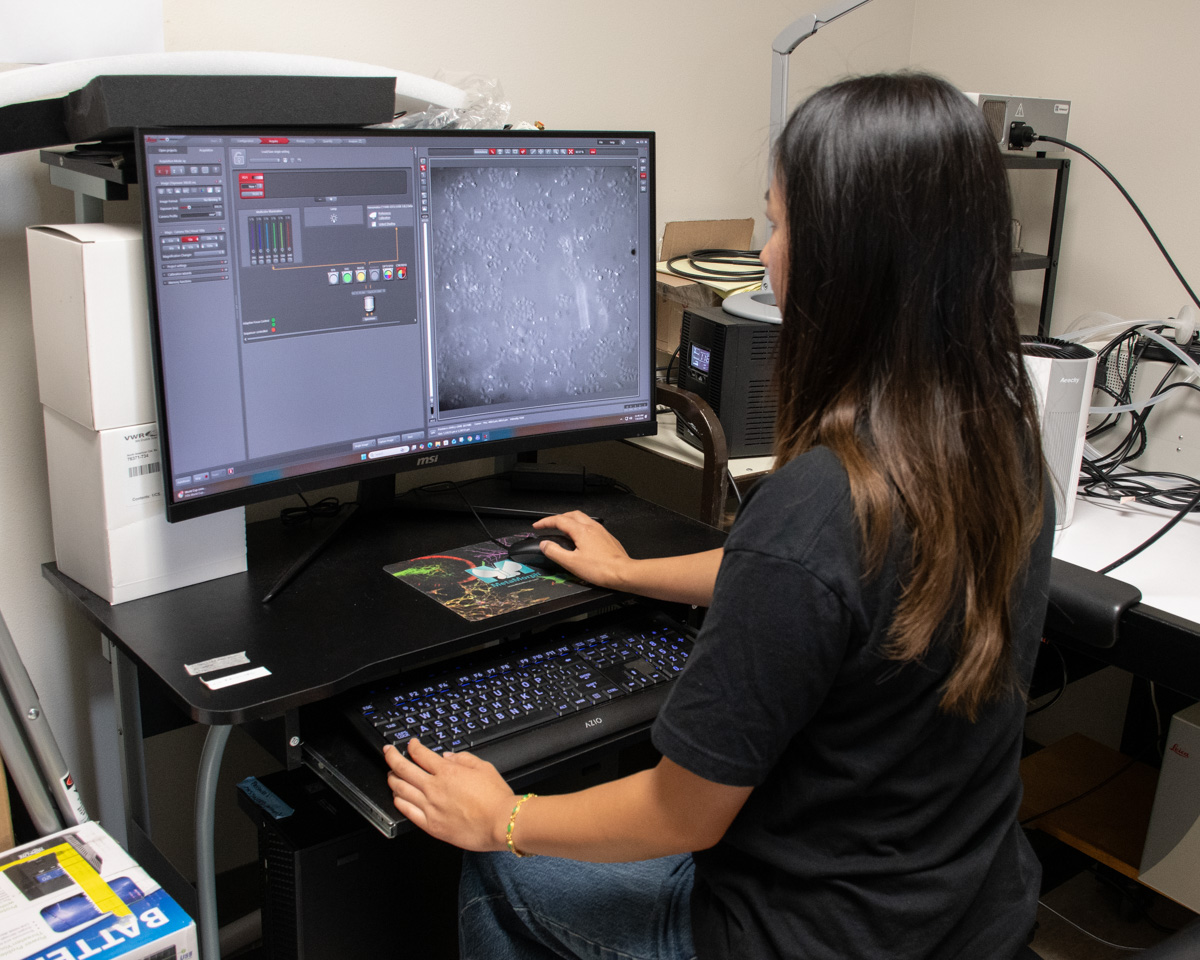
This summer gave me an unfiltered look at lab and graduate-student life. Working in Dr. Aussie Suzuki’s lab, I celebrated experiments that worked and learned from the ones that didn’t, alongside mentors Dhaval Ghone and Dr. Wan-Yi Hsiao, whose support made the experience deeply meaningful. I also came to appreciate how central collaboration is to scientific progress, learning from and sharing expertise with partnering labs like the Sherer lab. This was a reflection of UW’s broader culture of openness and shared knowledge. Being immersed in that environment did more to confirm this career path than anything else could have.
How do you think your experience here will impact your goals for the future?
This experience gave me a realistic lens into graduate school and eased a lot of the uncertainty, and even mystery, I’d been carrying. Research isn’t going anywhere in my future, and this summer only made that clearer.
What advice would you give to future CMBS students?
It’s easy to feel like you don’t belong, but you earned your spot here just as much as anyone else. Be bold, ask questions, and reach out to the UW network. There are so many people willing to help, and forming those relationships early makes a real difference. Say yes to things: send the coffee chat email, show up to the event with no plan, strike up the conversation. Your time here is short, and the people you’ll meet are unlike any group you’ll find again. Don’t overlook Madison itself, either; whether it’s an open mic night at Union Terrace or simply strolling the city, those moments shape the summer just as much as the research does.